Join us in the search for the
Lost Rhoades Gold
Some Videos of our Searches
See more at our YouTube Channel @LostRhoadesGold
Search for Lost Rhoades Mines on Buck Ridge
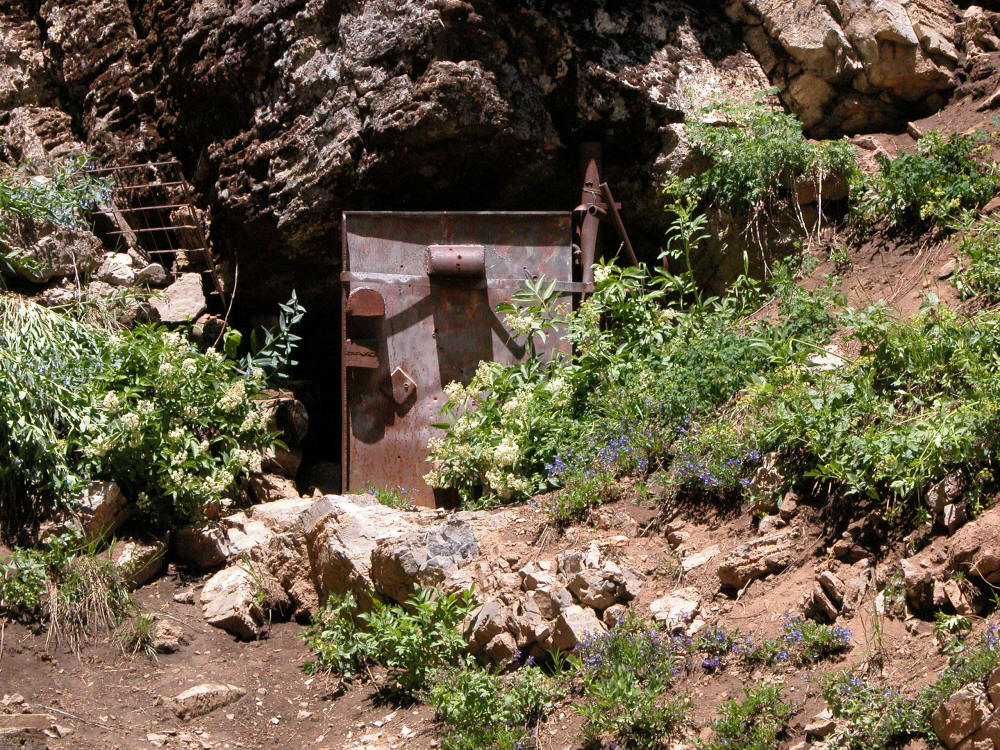
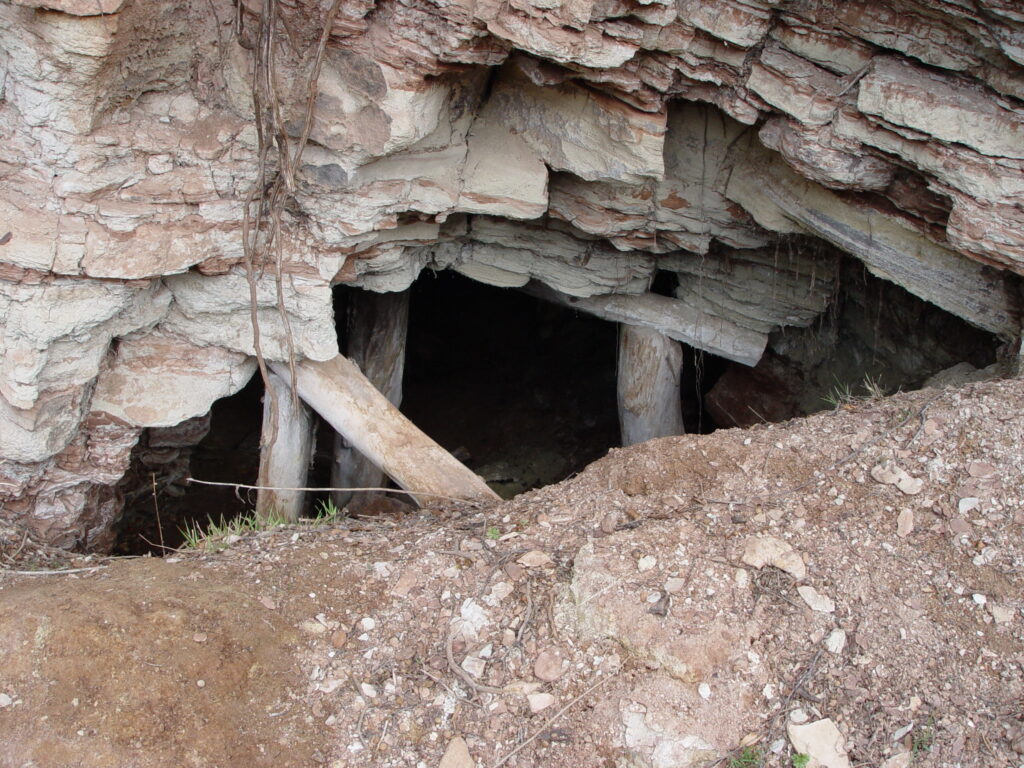
We search Buck Ridge near Whiterocks Canyon for clues to the Lost Rhoades Mine and open what might be a covered mine
Searching for the Boren and Bethers Mine near Heber, UT
Information about the Boren and Bethers mine and other mines in the area of Lower Daniel’s Canyon
The Tungsten Pass Prospect
We travel high into the High Uintas near Tungsten Pass to see the mine there and get samples, which we analyze with XRF to see what it is made of
What is the Story of The Lost Rhoades Mine?
In the early days of the Utah Territory, when the roads were little more than wagon ruts and the Uinta Mountains rose like a wall of stone against the sky, there lived a quiet man named Thomas Rhoads. He wasn’t the loudest voice in camp or the quickest hand with a rifle, but people listened when he spoke. There was a steadiness to him — the kind that comes from surviving hard miles and harder winters.
Rhoads had a gift that few settlers possessed: he understood the Ute people, not just their language but their ways. Over years of trade, travel, and earned respect, he became one of the rare white men welcomed into their councils. And it was through this trust that his life took a turn toward legend.
According to the old stories, Ute leaders revealed to Thomas a place deep in the Uintas — a place older than any map, guarded by spirits and stone. They allowed him, and him alone, to take gold from a sacred mine on the condition that it be used to help his struggling people. Thomas agreed, and from that moment on, he became a man with two worlds on his shoulders.
Neighbors noticed the pattern. He would leave quietly, sometimes with only a mule and a bedroll, disappearing into the high country for a handful of days. When he returned, he carried gold dust of remarkable purity, enough to keep the fledgling Mormon settlements alive. In 1852, he deposited more than 165 ounces at the Deseret Mint — a fact that still stands in the historical record like a flare in the dark.
But Thomas never revealed where the gold came from. Not to curious settlers. Not to prospectors who tried to shadow him. Not even to the Church leaders who trusted him. The location stayed locked behind his weathered face and steady eyes.
When he died in 1869, the secret passed to his son Caleb — and the legend of the Lost Rhoades Mine was born.
Today, Thomas Rhoads stands at the crossroads of history and myth: a real man whose footsteps led into a mystery that still pulls treasure hunters into the mountains he once walked alone.